However, not everyone with mental health obstacles experiences self-stigma. Patrick W. Corrigan and Deepa Rao, On the Self-Stigma of Psychological Disease: Phases, Disclosure, and Strategies for ChangeStigma and lack of confidences about psychological health create stereotypes and myths. Here are a few misconceptions and realities about mental health. The misconception: Mental disease is uncommon, and many individuals are not impacted by it.
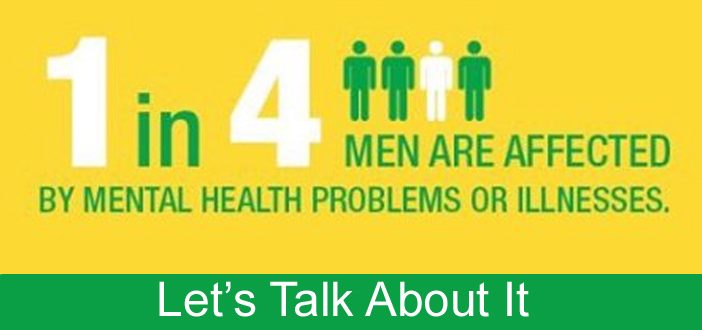
Prior to 2020, about 43 million American grownups (18 percent of grownups in the United States) experienced psychological health problem and 1 in 5 teens (20 percent) struggled with a psychological health condition, according to the National Institute of Mental Health. Those numbers have significantly increased as an outcome of the pandemic.
A report by the United States Department of Health and Person Provider (DHHS) found that only one-quarter of young people (ages 1824) believed that an individual with mental disorder can recover. The truth: Many people with psychological health conditions can and do recuperate. Research studies show that the majority of get much better, and many recuperate completely.
The fact: People who experience psychological health and drug abuse conditions are not to blame for their conditions. Additionally, the roots of these conditions are intricate. In addition, they often include hereditary and neurobiological aspects. Also consisted of are ecological causes such as injury, social pressures, and household dysfunction. The misconception: People with mental illness are bad at their tasks.
The truth: Individuals with psychological diseases are good staff members. Research studies by the National Institute of Mental Health (NIMH) and the National Alliance to the Mentally Ill (NAMI) verify this. There are no differences in productivity. The myth: Treatment does not help. The DHHS report found that only about half (54 percent) of young people who understood someone with a mental disorder thought treatment would help them.
How Does Isolation Affect Mental Health - Questions
As a result, there are now more treatment methods than ever. These include integrated treatment in domestic and outpatient programs. In addition, treatment consists of group and individual therapy, experiential methods, mindfulness practices, and other approaches. The media can prevent sensational stories about mental health problem and portray more stories of recovery by people with mental health difficulties.
Also, they should work towards increasing financing for psychological health awareness projects. Scientists can continue to study and keep track of mindsets towards psychological health problem. Psychological health companies can supply education and resources in their communities. Everyone can change the way they refer to those with psychological health conditions by avoiding labels.
This reaches good friends, household members, next-door neighbors, or others with mental health obstacles. Therefore, this indicates we need to express concern and let go of preconceptions. In conclusion, when all of us collaborate we can create change. When we can alter our mindsets toward those with psychological health challenges, preconception will be reduced.
4-H/Harris Poll on Teen Mental Health, June 2020Prev Chronic https://diigo.com/0j72oc Dis. 2006 Apr; 3( 2 ): A42. Neighborhood Ment Health J. 2010 Apr; 46( 2 ):164 -76. World Psychiatry. 2008 Oct; 7( 3 ): 185188. J Neighborhood Psychol. 2010 Apr 1; 38( 3 ):259 -275. [/vc_column_text] [/vc_column] [/vc_row].
According to Link and Strategy (2001 ), Erving Goffman's book Preconception: Notes on the Management of Spoiled Identity (1963) promoted the growth of research on the causes and repercussions of stigma (1). Among the many present definitions of preconception, we can extract that stigma exists when the impact of trivializing, labels, loss of status, and partition occur at the very same time in the very same scenario (1).
5 Easy Facts About How Does Mental Illness Affect People Shown
Psychological illness-related stigma, including that which exists in the health care system and among doctor, has been determined as a Mental Health Doctor major barrier to treatment and recovery, resulting in poorer care quality for psychologically ill people (3, 4). Stigma also affects the treatment-seeking behavior of health companies themselves and negatively mediates their work environment (4, 5).
Such situations present a danger to the client and other people, so they require immediate therapeutic intervention (6, 7). Although such emergency situations can also be secondary to physical illnesses, what differs them from other emergency situations is specifically the presence of extreme behavioral modifications. In many cases, they represent severe intensity in psychological health problem, they are associated with sensations of worry, anger, prejudice, and even exemption.
Adequate management of such scenarios can decrease patient suffering and prevent the perpetuation of preconception. This short article intends to discuss the causes of stigma, methods of dealing with it, and achievements that have been made in psychiatric emergency situation care settings. Although there are various designs of take care of psychiatric emergencies, we will consider situations whose general management principles are the same in different environments.
The technique was utilized to search the list below worldwide electronic databases; Pubmed (1990present), Scielo (1990present), and Cochrane Database of Systematic Reviews (1990present) (how mental health can affect physical health). The search terms comprised: psychiatric emergencies, emergencies, psychological disorders, catastrophe, disasters, epidemic, and pandemic. We supplemented the search engine result with important publications. Stigma originates from several sources (personal, social, or family) that work synergistically and can trigger a number of issues throughout life (2, 8).
Because no specific study has actually been carried out on stigma in psychiatric emergency situations, we will assess some general hypotheses about psychological illness preconception and apply them to emergency situation circumstances, despite where they are treated. Agitation without or with aggressive habits prevails in scenarios of psychiatric emergency situations. Nevertheless, in this case, the aggressiveness or state of violence should be seen as an issue of mental disorder.
How Does Exercise Affect Mental Health Fundamentals Explained
One research study discovered that 61% of adults thought that an individual with schizophrenia was somehow most likely to be violent towards others (11). On the other hand, a 2009 research study concluded that mental disorder singly does not anticipate violent habits (12). Although the analyses showed that aggressive agitation does happen in individuals with severe mental disease, its occurrence is only considerable in those with co-occurring substance abuse and/or reliance.
Psychomotor agitation may or might not be related to aggressiveness. Although it does take place in a small portion of people with mental illness, psychiatric emergencies can trigger agitation while simultaneously compromising the client's autonomy. Agitation and strange habits are stereotypes produced about individuals with psychological health problem, and these heighten when a client has a crisis.
People with mental disorder should be safeguarded, and in the context of psychiatric emergencies, how they are managed is of vital importance. Homepage People can take a long period of time to look for treatment and hide their symptoms, or when they end up being obvious, the family conceals them in the house or sends them to a distant hospital.

Attempting to conceal symptoms can impede treatment looking for and result in worsening of the condition. More instant services, such as outpatient centers, neighborhood services, and even emergency systems can make patients feel exposed and assume the presence of a disease. Moms and dads of clients with mental disorders have a higher sense of preconception, in particular shame and shame ($114).
One study states that the real occurrence of psychiatric emergencies might be higher than that observed, and therefore, patients may take a long time to seek care for fear of preconception and the high expense of psychiatric treatment (16). Another current research study investigated motivating factors for seeking treatment in Lebanon and discovered that relatively couple of mentally ill patients (19.