About 5 minutes of aerobic workout can start to promote anti-anxiety impacts. Stress and stress and anxiety are a regular part of life, but stress and anxiety conditions, which affect 40 million grownups, are the most typical psychiatric health problems in the U.S. The advantages of exercise may well extend beyond stress relief to improving anxiety and associated disorders.
Some studies show that workout can work rapidly to raise depressed state of mind in many individuals. Although the impacts might be momentary, they show that a vigorous walk or other simple activity can provide numerous hours of relief, comparable to taking an aspirin for a headache. Science has actually also provided some evidence that physically active individuals have lower rates of stress and anxiety and depression than inactive people - how food affects mental health.
In one research study, researchers discovered that those who got regular vigorous exercise were 25 percent less likely to develop anxiety or a stress and anxiety condition over the next five years. According to some research studies, regular exercise works in addition to medication for some individuals to decrease symptoms of stress and anxiety and depression, and the effects can be long lasting.
Although workout has a positive result for the majority of people, some current studies show that for some, exercise may not have a positive result on stress and anxiety or depression or may not make a strong influence on long-term mental health. Like all forms of therapy, the impact can differ: Some people may react favorably, others might discover it doesn't improve their mood much, and some might experience just a modest short-term advantage.
Workout for Mood and Stress And Anxiety, Proven Methods for Conquering Anxiety and Enhancing Well-Being, by Michael W. Otto, PhD, and Jasper A.J. Smits, PhD (Oxford University Press, 2011) The most current federal guidelines for grownups advise at least 2 hours of moderate-intensity exercise (e.g. brisk walking) every week, 1 hours of a vigorous-intensity activity (such as jogging or swimming laps), or a combination of the 2.
If not, here are pointers to get you started. 5 X 30: Jog, walk, bike, or dance 3 to five times a week for thirty minutes. Set little daily objectives and go for day-to-day consistency instead of perfect workouts. It's better to stroll every day for 15-20 minutes than to wait up until the weekend for a three-hour fitness marathon.
The Ultimate Guide To How Sensory Overload And Processing Affects Mental Health
Discover kinds of exercise that are enjoyable or enjoyable. Extroverted people frequently like classes and group activities. People who are more shy often prefer solo pursuits. Sidetrack yourself with an iPod or other portable media player to download audiobooks, podcasts, or music. Lots of people discover it's more enjoyable to exercise while listening to something they take pleasure in.
Be client when you start a brand-new workout program. what to do when mental health affects work. Many sedentary individuals need about four to eight weeks to feel coordinated and sufficiently in shape so that exercise feels simpler. Dress in layers. Workout in layers that you can remove as you begin to sweat and return on as needed.
Make sure your extremities aren warm and use gloves, socks, and headbands to prevent frostbite. Take notice of climate condition and wind chill. Rain and wind can make you even more vulnerable to the impacts of the cold. If the temperature level is below absolutely no degrees and the wind chill is extreme, consider taking a break or discovering an indoor activity.
It gets dark earlier in the winter season, so be sure to use reflective clothes. Use shoes with enough traction to avoid falls in snow or ice. Keep in mind sun block. It's simply as simple to get burned in the winter season as in summer season, so don't forget the SPF. Head into the wind.
Consume lots of fluids. It can be harder to notice the symptoms of dehydration in winter, so consume fluids before, throughout, and after a workout, even if you're not thirsty. Know the signs of frostbite and hypothermia - veteran mental health how it affects life. Know the signs and get help right away to prevent frostbite and hypothermia.
With the demands of college life, you might think you do not have whenever left for exercise in your schedule. Or maybe you dislike to exercise because you see it as a task https://kameronzzqo409.shutterfly.com/49 or boring activity. But there are lots of ways to be active and ways to fit workout into your day.
Some Known Details About Veteran Mental Health How It Affects Life
Workout promotes chemicals in the brain that enhance your mood and make you more relaxed. Specifically, the brain releases feel-good chemicals called endorphins throughout the body. Exercise decreases anxiety and depressed mood, and boosts self-confidence. College needs a reasonable quantity of energy and great deals of mental capacity to keep up with classes and other activities.
This implies you can focus better and think clearly. Plus, since exercise assists your lungs and heart, you have more energy to do other things. Constant workout assists stave off high blood pressure and reduces the risk for type 2 diabetes, some forms of cancers, osteoporosis, strokes and heart problem.
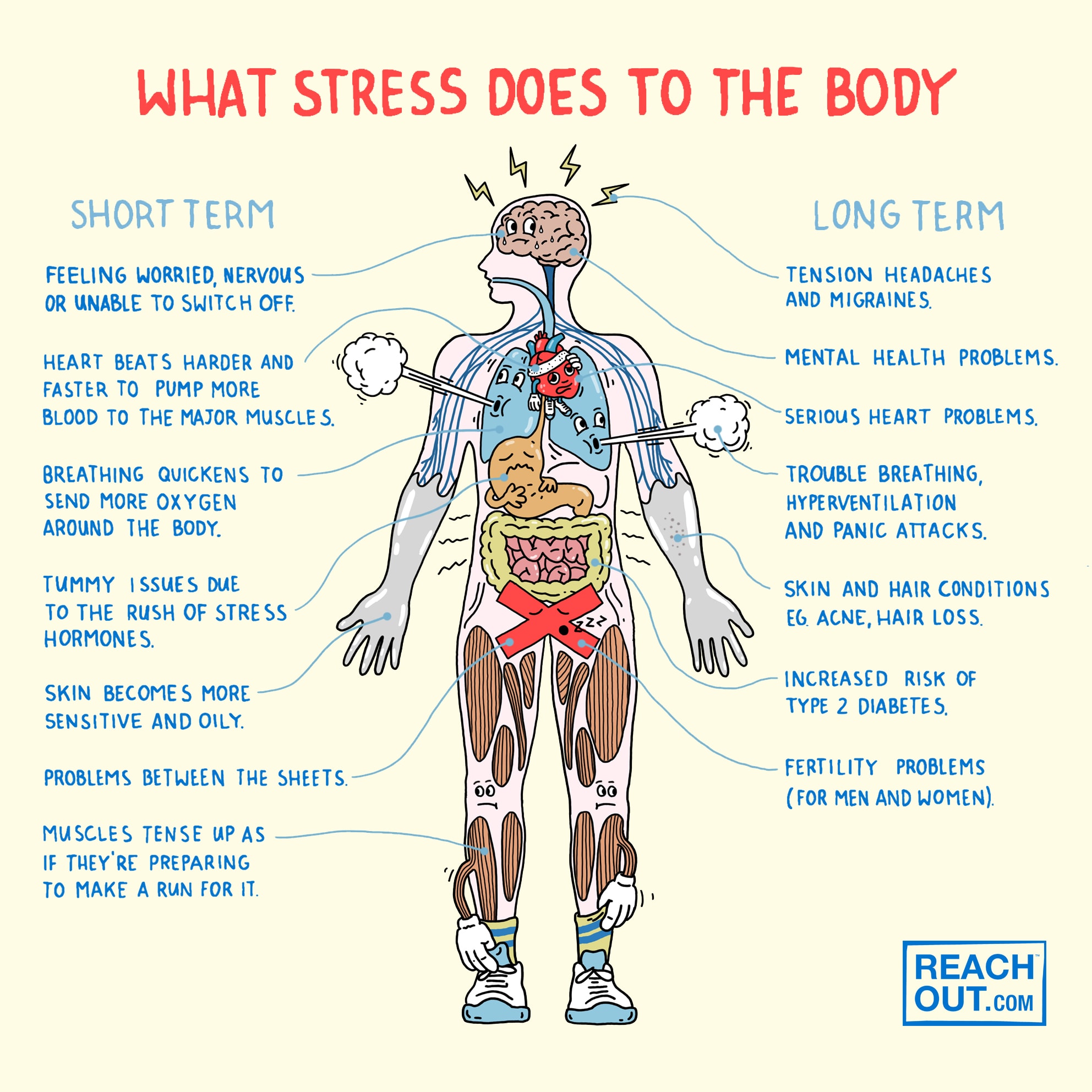
Exercise reduces the amount of stress hormonal agents your body releases, so you feel calmer total. Plus, some workout slows down both high blood pressure and heart rate. Exercise assists you go to sleep much faster and improves the quality of your slumber. However, be sure you have actually stopped exercising a minimum of three hours before bedtime so you aren't too alert and energized when it's time for bed.
While the physical health advantages of exercise are frequently gone over, the mental advantages are typically ignored. But research reveals exercise can be quite helpful for mental health. Exercise might help ward off psychological illness prior to they begin. Additionally, research shows workout can improve the signs of lots of existing mental disorders.
Workout can relieve much of the symptoms of anxiety, such as tiredness, tension, anger, and reduced vitality. For people with panic disorder, PTSD, and other anxiety-related conditions, exercise can be a proactive way to launch suppressed tension and lower sensations of fear and concern. Workout likewise decreases sensitivity to the body's response to stress and anxiety, in addition to reduces the strength and frequency of anxiety attack in some cases.
Workout can also be used to improve wellness in people who currently feel mentally healthy. Increased physical activity has actually been discovered to improve mood, improve energy levels, and promote quality sleep. There are a number of reasons that physical activity can be great for psychological wellness: Exercise reduces stress hormonal agents like cortisol.
A Biased View of How The Threat Of Deportation Negatively Affects The Mental Health Of Children Sojourners
Exercise can take your mind off of your problems and either reroute it on the activity at hand or get you into a zen-like state. Workout can help you slim down, tone your body, and keep a healthy glow and a smile. You might feel a subtle however considerable boost in your state of mind as your clothing look more lovely and you predict an aura of increased strength.
So whether you sign up with an exercise class or you play softball in a league, exercising with others can give you a double-dose of stress relief. While tension can trigger illness, health problem can likewise trigger tension. Improving your overall health and durability with exercise can save you a lot of tension in the short run (by reinforcing your resistance to colds, the influenza, and other small diseases) and the long term (by helping you stay healthier longer, and take pleasure in life more since of it). Exercise might be connected to lower physiological reactivity toward stress.